An Eventful Summer
This summer felt like the end of one chapter of my life and, slowly, the beginning of another.
At the start of it, almost everything revolved around a single goal: finishing my Ph.D. By the end, I had a degree, a job offer, a poster at IROS (IEEE Flagship Robotics Conference), and several fractures in my face. Not exactly the summer I would have predicted, but I want to write it down while it still feels close.
A summer of writing
At Mason, finishing a Ph.D. used to take two defenses: a pre-defense with your committee, then the public dissertation defense. Starting this semester the pre-defense has been dropped, so students now only do the public one. I was one of the last to do both. My pre-defense was on May 15, and thankfully, I passed.
From there, the summer turned into a mix of dissertation writing, paper writing, revisions, experiments, presentations, and what felt like endless rounds of feedback. At the same time, I was working on papers that grew out of the final chapters of my dissertation. One was accepted to an IROS workshop. Another, which covers a significant part of the final phase of my Ph.D. work, was submitted in the second week of September and is now under review.
So for a large part of the summer, I was writing.
A lot.
A much-needed break in Southern California
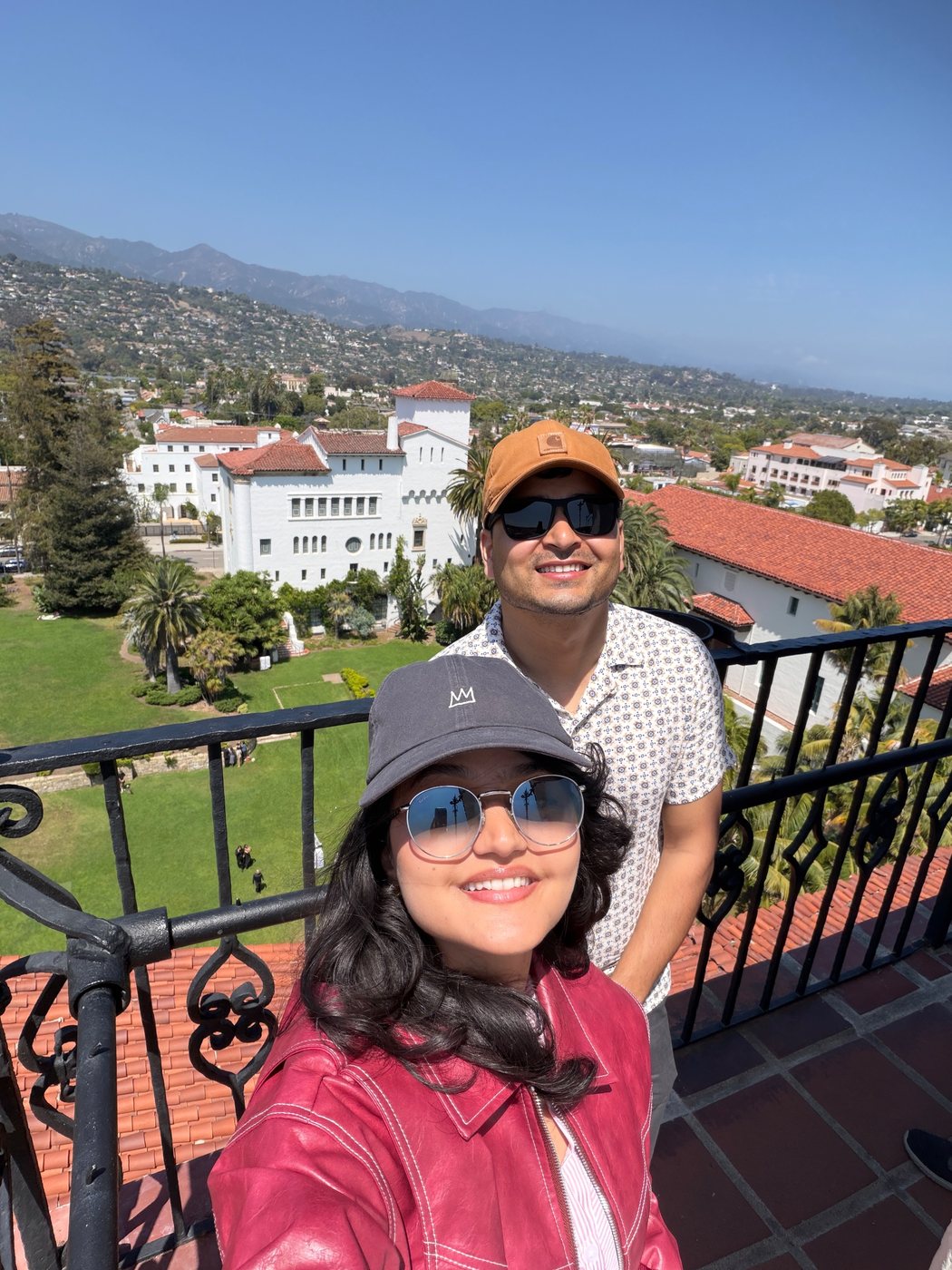
After the pre-defense, though, I really wanted a break.
My wife and I had originally planned a trip to Europe, but for personal reasons those plans did not work out. We decided on four days in Southern California instead, and it turned out to be exactly the break we needed.
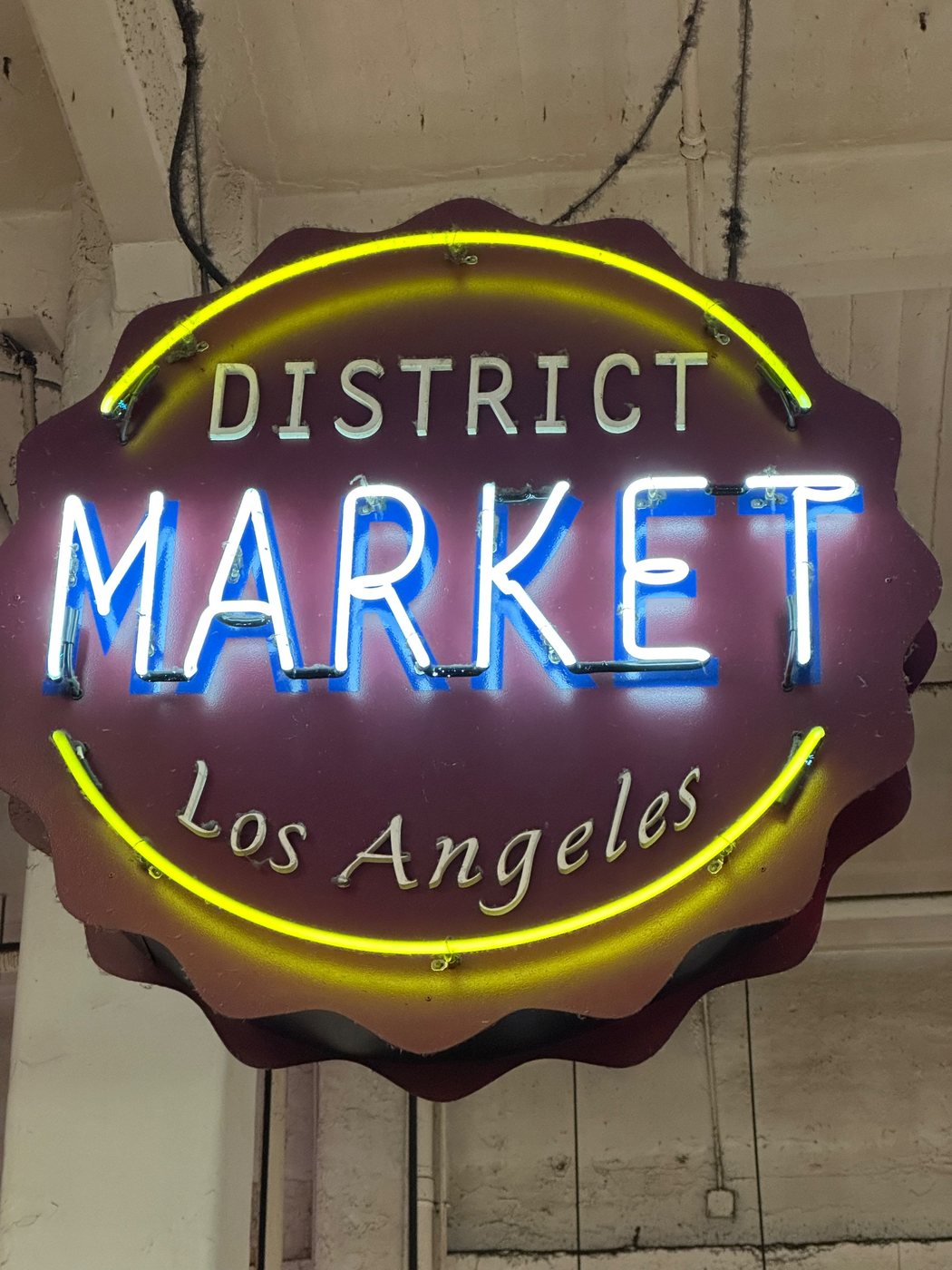
We explored Hollywood, Beverly Hills, Griffith Observatory, downtown Los Angeles and several other parts of the city. The sunsets in Los Angeles were incredible.
I especially enjoyed walking around the markets in downtown LA. We also drove along the coast to Malibu and Santa Barbara, both beautiful.
But San Diego was easily my favorite.
What a city. It felt like one of those places where everything comes together: the weather, the ocean, the beaches, the city, the atmosphere. Coronado Beach in particular reminded me of the beaches around Riviera Maya and Cancún that we visited in 2024.
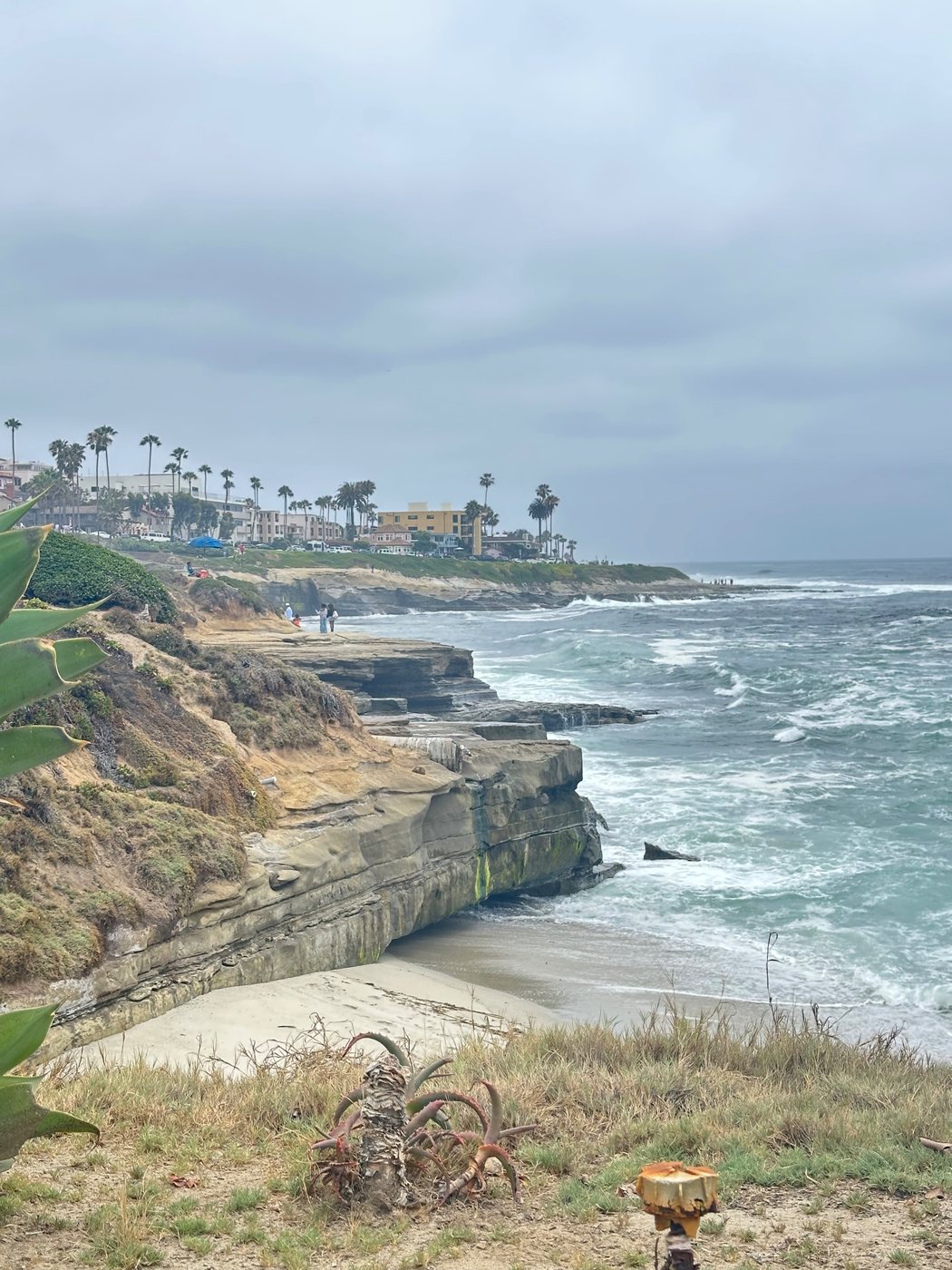
We also got to see sea lions and seals up close for the first time. It was an amazing sight. The smell around them was maybe slightly less amazing. Still, absolutely no complaints.
The trip gave both of us a few days to disconnect before I came home and walked into what became the final stretch of my Ph.D.
The World Cup, and a legend
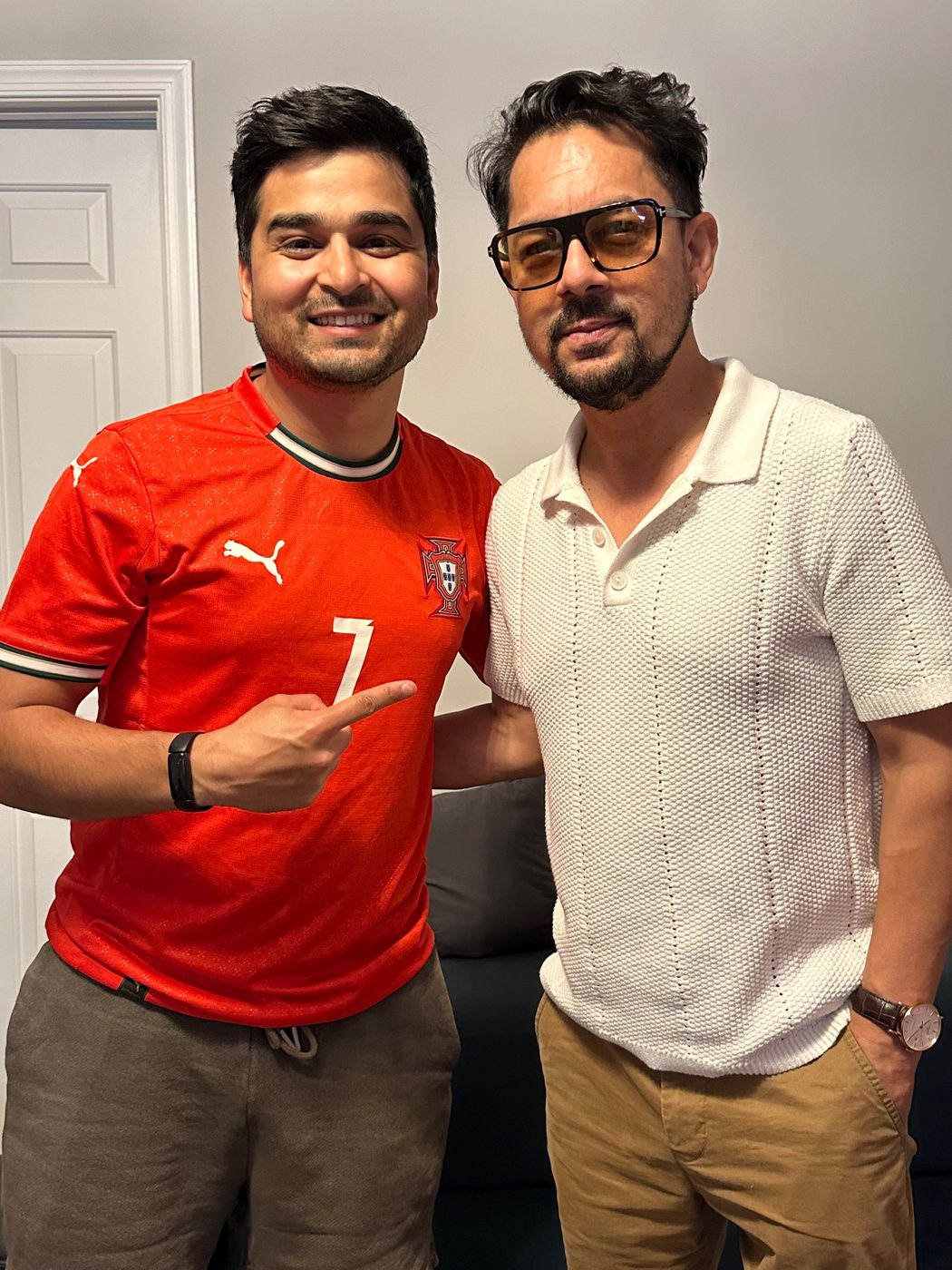
The summer also happened to be the FIFA World Cup 2026, which made it a lot more fun and also, with a defense coming up, a little more challenging. I supported Portugal. They were out early, against Spain. We do not need to discuss it further.
During the World Cup I also got the chance to meet Ram Krishna Dhakal, the legendary Nepali singer. We had a great conversation, and he sang a song or two. Genuinely a nice guy. It was a pleasure.
The final defense
As the defense got closer, almost all of my attention went to it.
There were plenty of sleepless nights. Incorporating feedback, improving slides, working out how to explain years of research clearly, practicing, changing things, practicing again, and quietly wondering whether a given slide made any sense outside my own head. At the time it was exhausting. Looking back, it makes me smile. There's a familiar saying, don't be sad that it ended, smile because it happened, and that's probably the best description I have for how I feel about those weeks.
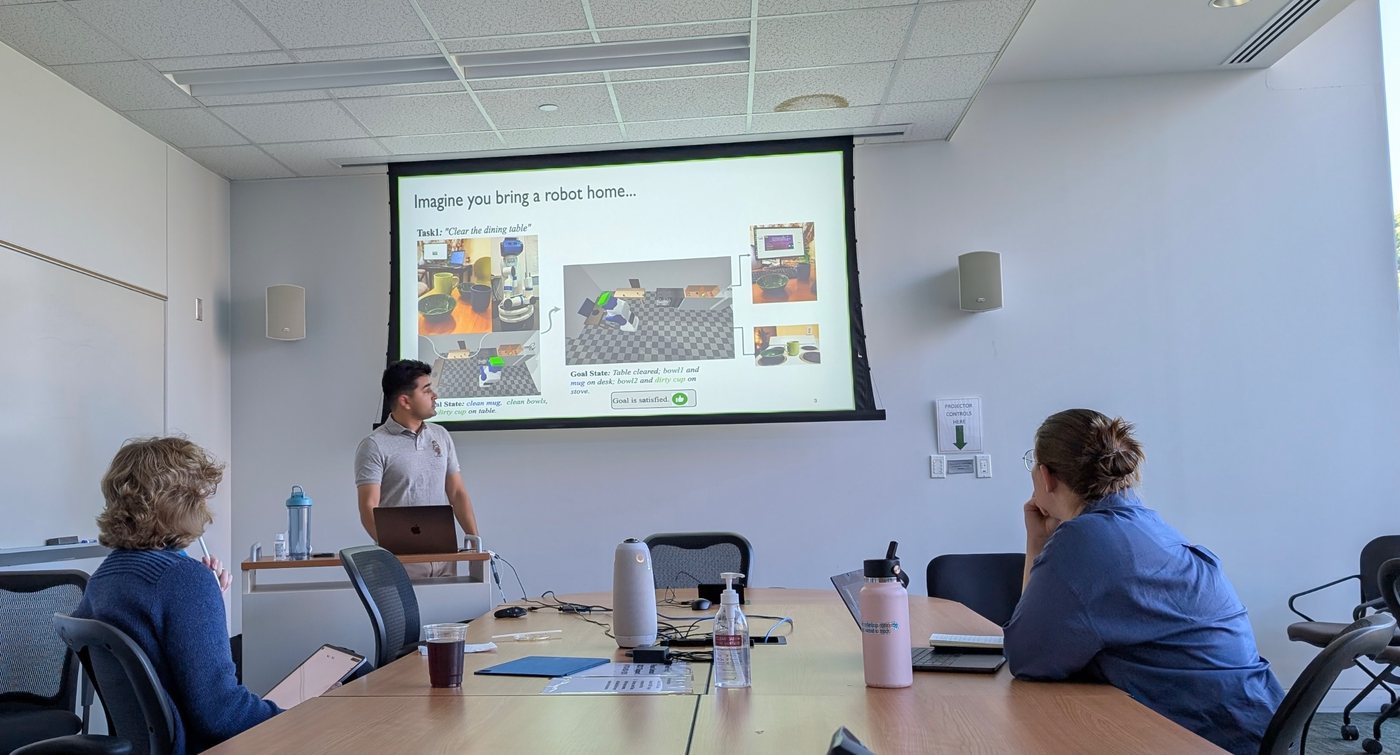
I practiced the talk several times, including runs with my family and with members of my lab. The night before, I spent a long time making the presentation more visual. I wanted someone who had never heard of task and motion planning, or robotics research at all, to still walk away with the question at the center of my work: how can a robot act now in ways that make its future tasks easier? That part mattered to me. (I wrote up the full idea, with videos, in a separate post about my research.)
Somehow, the real defense went even better than any of my practice runs.
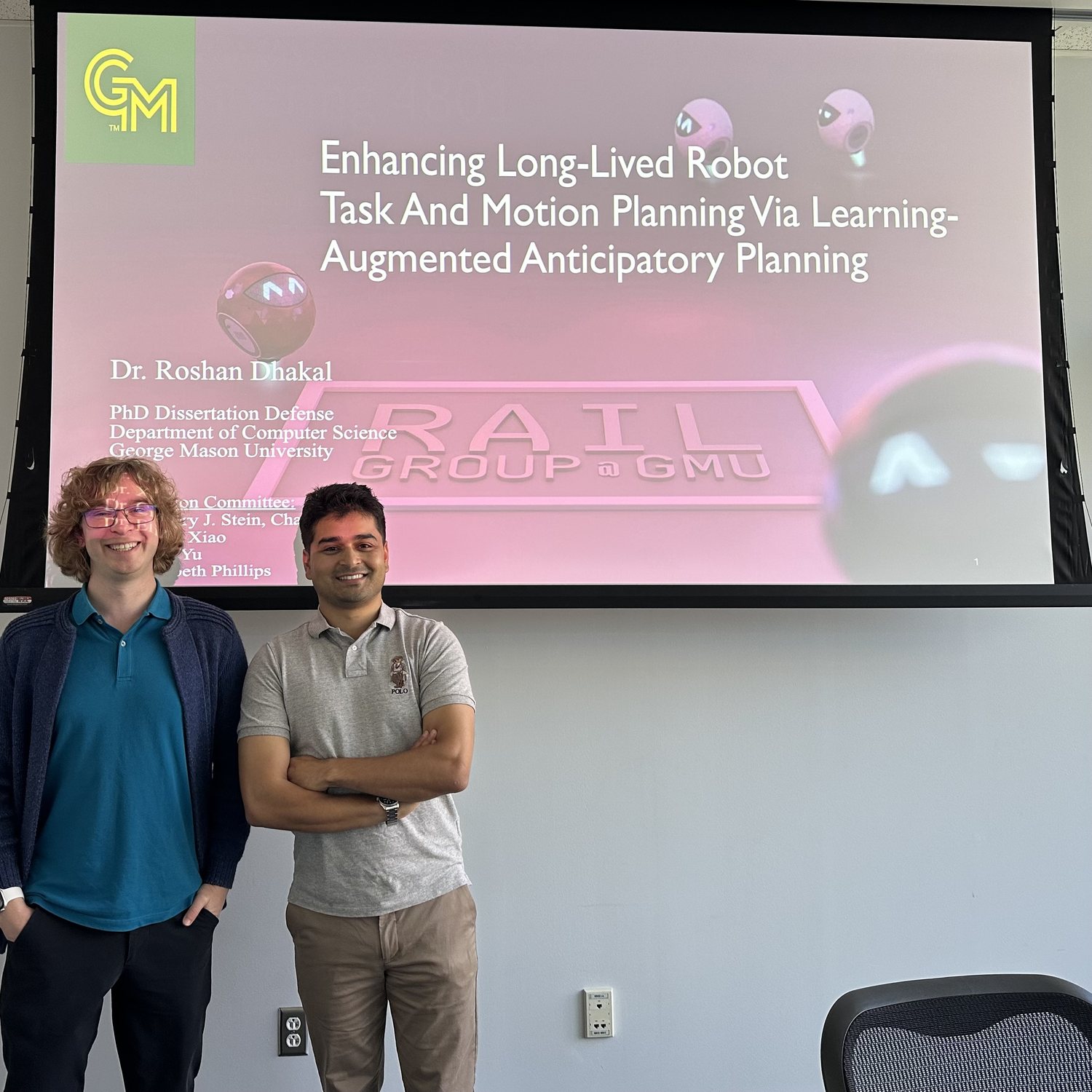
I received some wonderful comments from my committee, and especially from my advisor, Greg.
Greg has been much more than a research advisor to me. He has been an incredible mentor throughout my Ph.D., and one of the most important mentors I have had in my academic career. Greg, if you ever happen to read this: thank you. I really could not have asked for a better advisor.
And with that, I passed.
The degree itself took almost another month to officially arrive, but eventually it became real. I had finished my Ph.D. My dissertation is publicly available now too, which still feels strange to write.
Then came the job search
Finishing brought a huge sense of relief and happiness. The period right after it was harder.
I already knew I didn't want the traditional academic path, which naturally narrowed the kinds of roles I was looking at. And I learned quickly that turning a Ph.D. into an industry robotics job is not always straightforward.
My dissertation gave me deep experience in robot planning, task and motion planning, learning, search and robotics systems. But robotics in industry is enormous, and companies often want people who can move across the entire stack: planning, perception, localization, controls, ROS, sensors, deployment, software infrastructure. Every so often you find yourself trying to understand something that sounds suspiciously like electrical engineering, or mechanical engineering.
That became one of the biggest lessons of the search. In robotics, being willing to learn across boundaries matters enormously.
I had a lot of interviews. I also had a lot of rejections. There were roles where I reached the final stages and genuinely thought, I would love doing this job, and then the answer was no. There were hiring managers who seemed excited about my background before circumstances changed, positions shifted, or the process simply ended.
It was frustrating at times, but I was never really dejected. Every conversation taught me something. I got better at explaining my research, better at connecting it to real robotic systems, and much clearer about the kind of work I actually wanted to do.
Eventually, one of those conversations led me to Greenzie.
Greenzie
Greenzie builds autonomous software for robotic lawn mowers, and it ended up being one of the opportunities I was most excited about.
The interview process felt different from the start, in a good way. The conversations were thoughtful, technical, practical and genuinely enjoyable. I liked the people I talked to, and I came away feeling this was a team that cares deeply about building robotics that is actually useful.
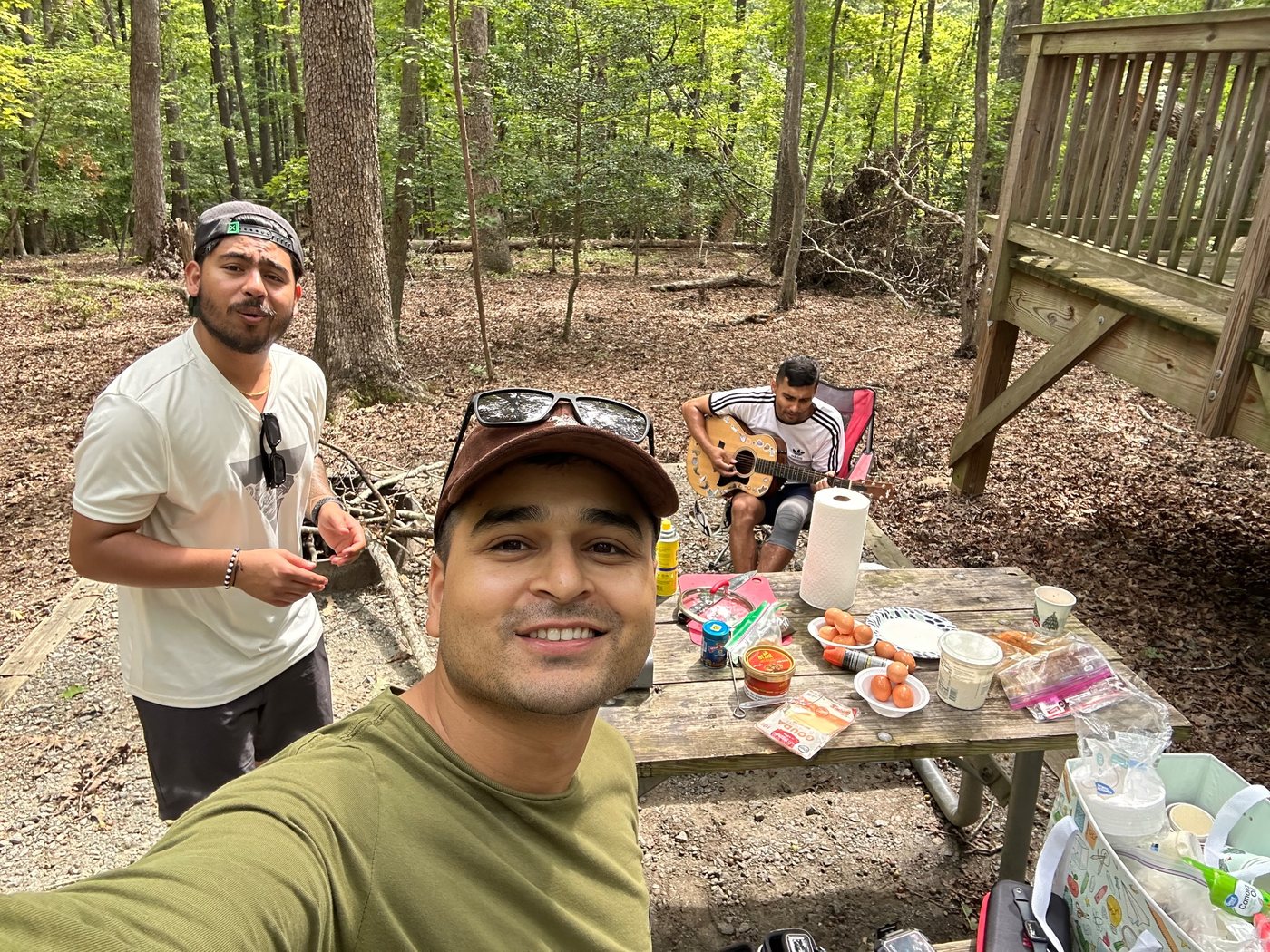
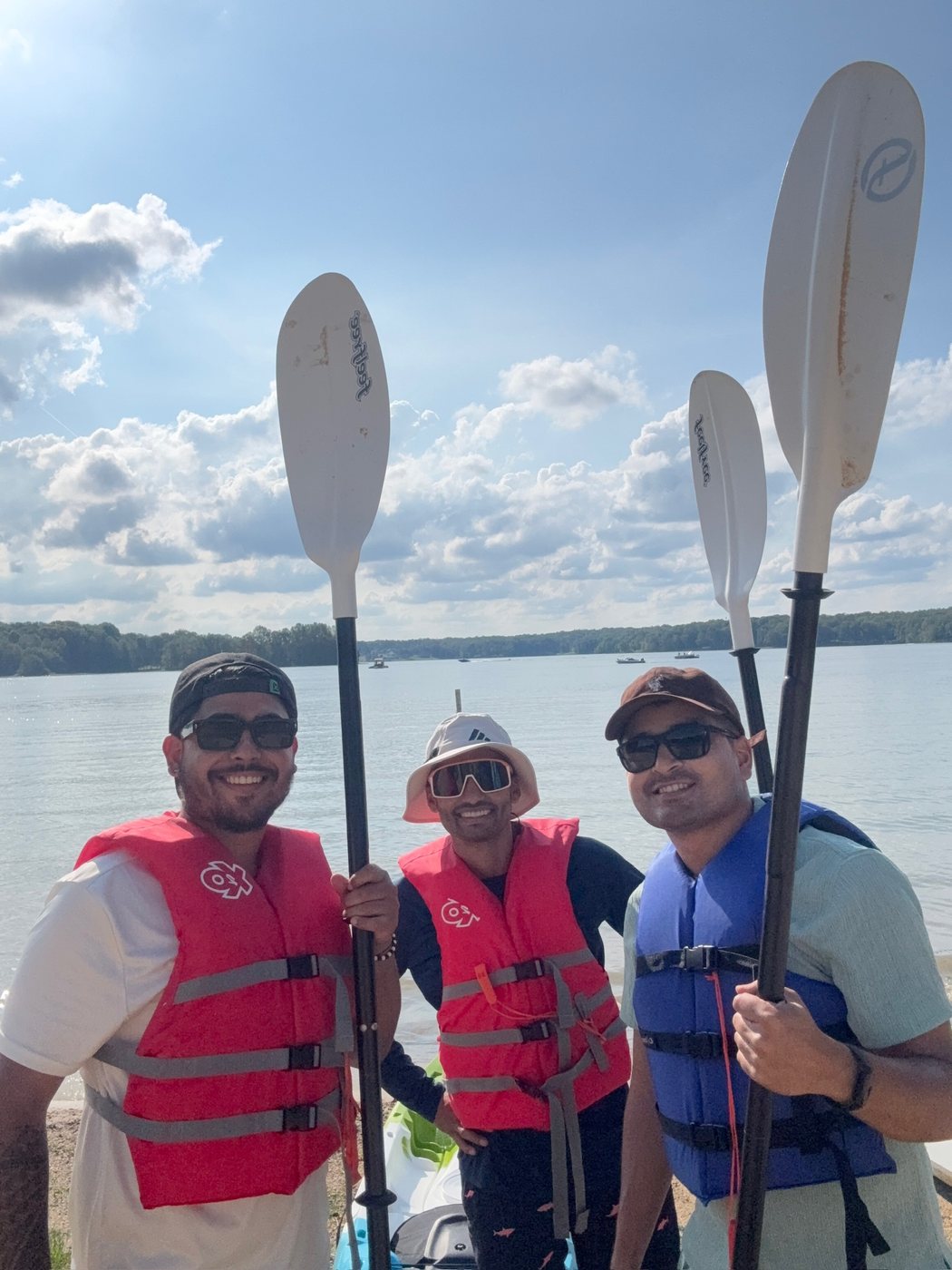
My final interviews were on a Friday, right before I left for a cabin trip at Lake Anna with my friends Tenish and Prayatna. Then they called with the offer. Needless to say, that made the cabin trip considerably better.
It was a short one. We drove up Friday, stayed the night, and got back around 11pm on Saturday, but we fit in a hike, some swimming and some kayaking.
What I like most about Greenzie is that the technology is already out in the world. These aren't robots that live in a lab or exist as a research prototype. The software runs on commercial machines that go outside and do real work, which means the engineering has to be reliable, practical, safe and robust to whatever the real world throws at it. That's exactly the kind of robotics I want to work on.
Think about what a mower actually has to do. It has to work out where it is, understand where it is allowed to go, avoid obstacles, follow a plan, respond when something unexpected happens, and safely finish the job. All of it outdoors, where the environment is messy and imperfect. That makes the work both challenging and meaningful.
I also like how clear the impact is. You can see what the robot is doing, why the software matters, and how it saves people time and effort. And the team left a strong impression: David and everyone I spoke with made the process welcoming, transparent and exciting. I felt there was a lot I could contribute, and a huge amount I could learn from the people there. That combination matters a lot to me.
I start the first week of November in Atlanta, Georgia, and I'm genuinely excited. It feels like the right next step: moving from research problems into a commercial robotics system where planning, autonomy, sensors, software, deployment and real-world constraints all meet.
IROS, Pittsburgh, and where robotics seems to be going
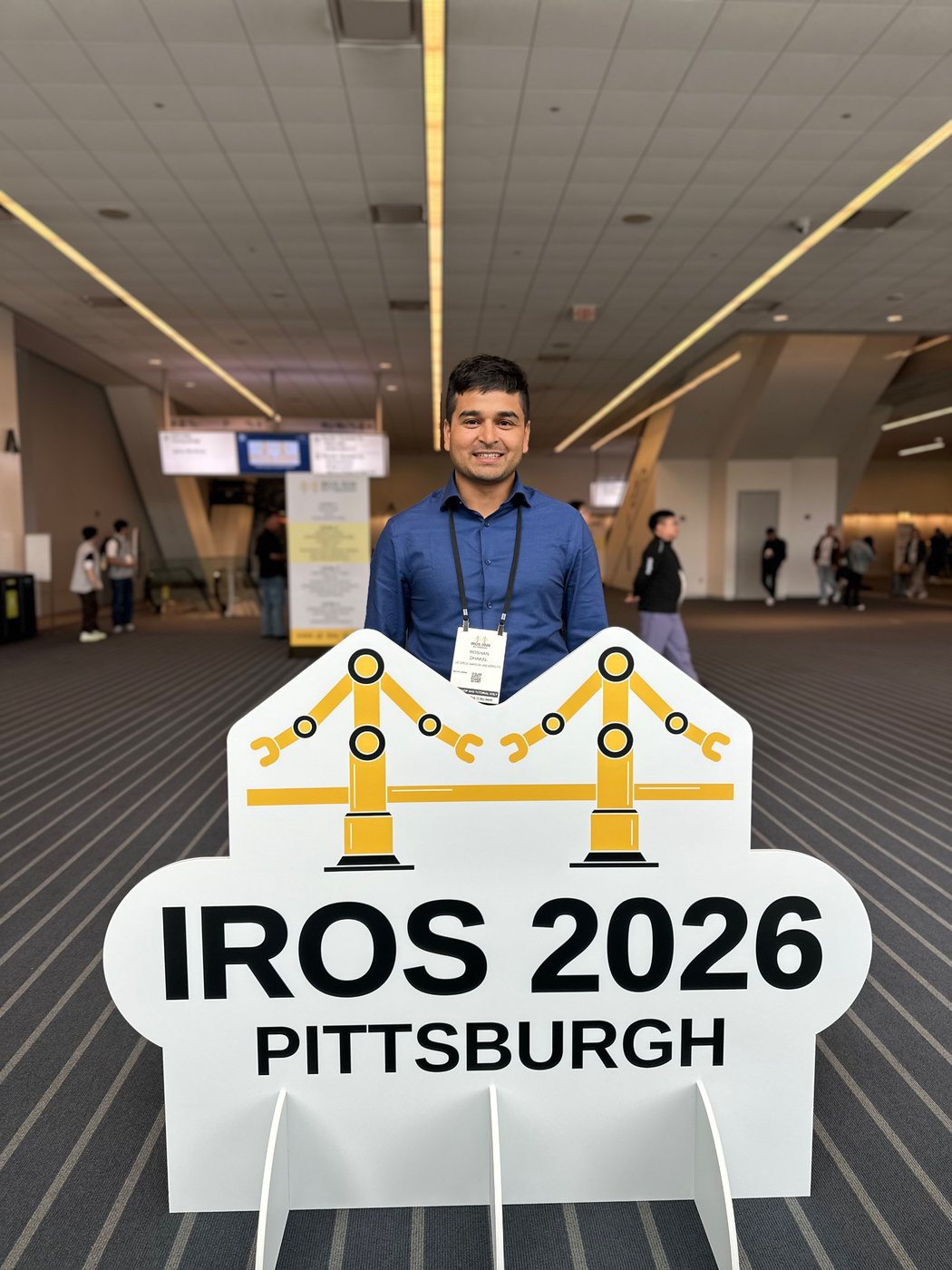
September gave me one last research highlight before closing out this chapter. I went to an IROS workshop in Pittsburgh and presented my work on anticipation in task and motion planning (the workshop paper).
The best part was meeting researchers whose work I'd been reading throughout my Ph.D. Beyond my own work, I also came away thinking about where the field is heading.
A lot of the excitement now is about putting more capable robots into the physical world: dexterous manipulation, agriculture, surgical robotics, warehouse systems, autonomous vehicles, even robots for space missions. The emphasis keeps shifting toward robots that can actually operate in complex environments and solve useful problems.
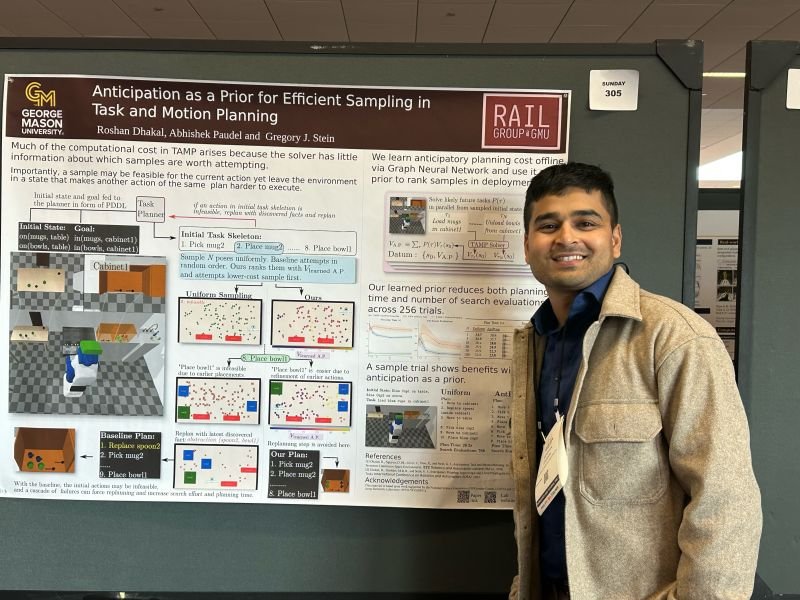
There was also a lot of discussion about world models. In simple terms, a world model is a robot's internal understanding of how its environment works: what objects are there, how they might move, what could happen after an action, and how things change over time. The interesting part to me is how these newer, learning-based ideas can work alongside planning, reasoning, perception and control rather than replacing them. That intersection feels like a very exciting place for robotics right now.
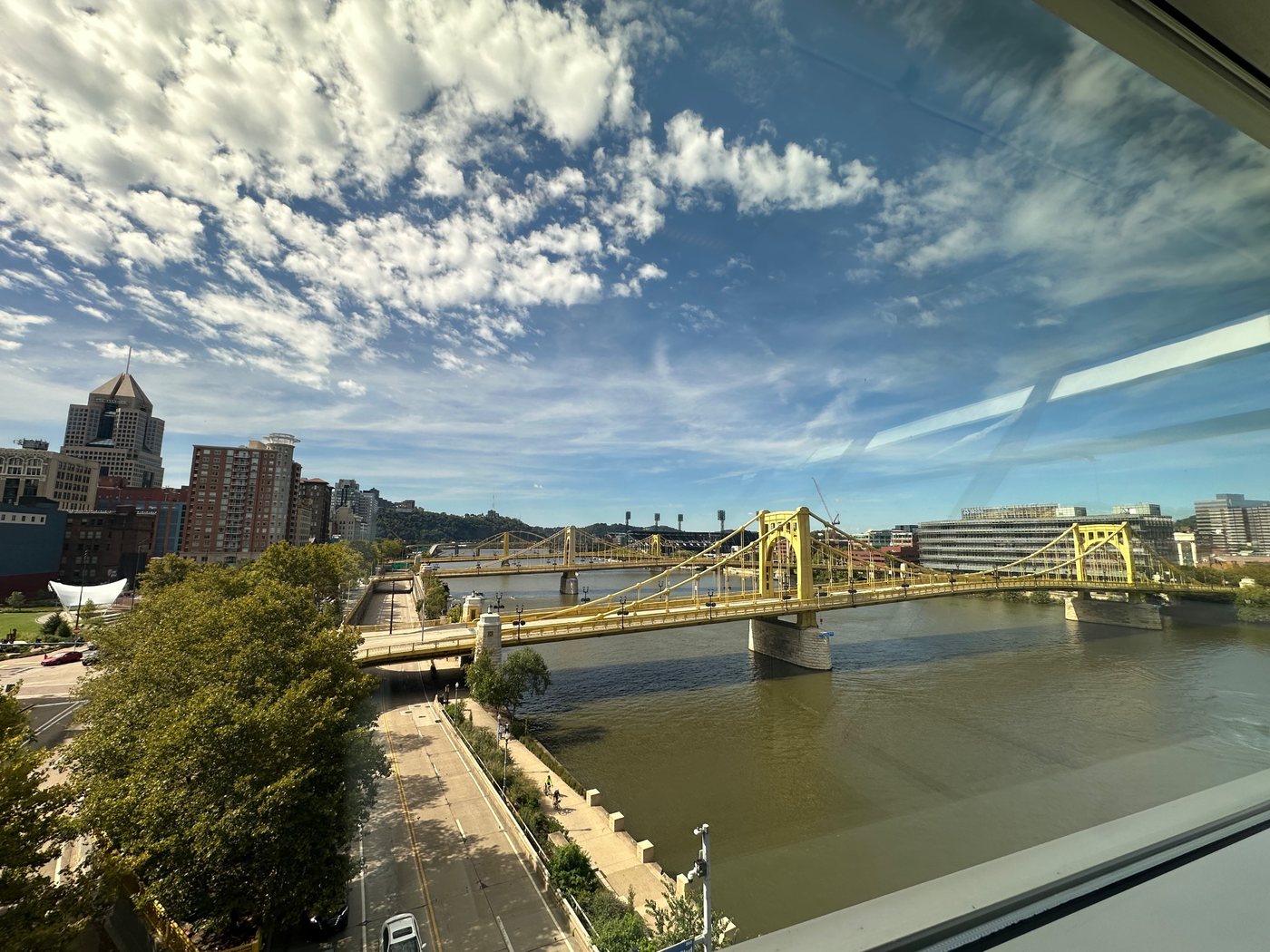
Pittsburgh itself was fun to visit too. Conferences are a strange but enjoyable way to see a city: technical sessions all day, conversations with researchers in between, and then walking around or hunting for food afterward.
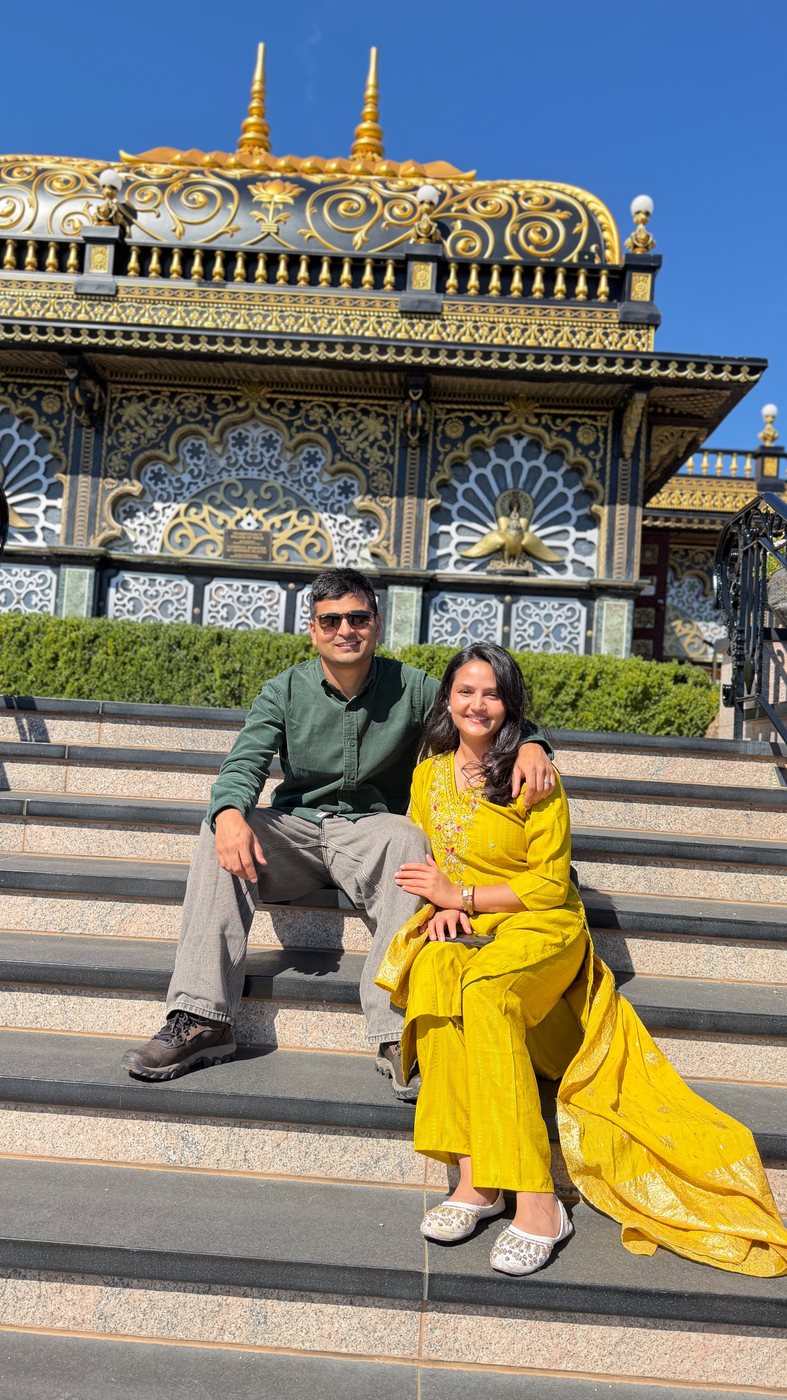
During the Pittsburgh trip, my wife and I also had a chance to visit New Vrindavan, the iconic ISKCON Krishna temple in West Virginia.
An unexpected end to September
Unfortunately, September did not end entirely on a high note.
During one of my regular soccer games, I took a hard hit to the face and ended up with several facial fractures on the left side, including around my orbit and jaw. After CT scans and evaluations from specialists, the good news was that I didn't need surgery.
I'm still recovering, though. My days still involve being careful about what I eat and how much I do, and generally giving everything time to heal. There's still some lingering pain, numbness and pressure around parts of my face, my sinuses and my left eye.
It has been a real reminder of how much health underlies everything else. When your health doesn't feel right, everything else starts to feel disconnected. Work, travel, emails, plans, all the things that normally fill your head, suddenly feel secondary. I'm feeling much better than I did right after the injury, but I'm still taking it carefully and letting recovery happen at its own pace.
What comes next
So that was my summer and the start of fall.
- A Ph.D.
- A dissertation.
- Two papers.
- A trip across Southern California.
- A World Cup (briefly, for Portugal).
- A long job search.
- A new job.
- An IROS workshop.
- And a facial fracture to finish September.
And now I'm looking forward.
First comes Dashain, the biggest festival of the year for us and something I always look forward to. Then there's travel. My wife and I are heading to Boston, and I'm especially excited to spend time with family there again. Toward the end of the month we're going to San Francisco, just for fun.
After that comes Atlanta and my first days at Greenzie. And shortly after I start, we'll celebrate Tihar in the second week of November, another of my favorite times of the year.
So the next few weeks will be a mix of family, festivals, travel, recovery, and a completely new professional chapter. New company, new problems, new things to learn. And after years of thinking about robots in research environments, the chance to spend my days on robots that are actually outside doing their jobs.
I genuinely cannot wait.
One more thing
I'd like to keep writing here. This site started mostly as a place for research, publications and professional work, but I'd like it to become a little more personal too: research, robotics, things I learn, places I travel, career updates, and occasionally just life.
If you made it all the way down here, thanks for reading.
On to the next chapter.